Renting vs. Buying: A Real Cost Comparison
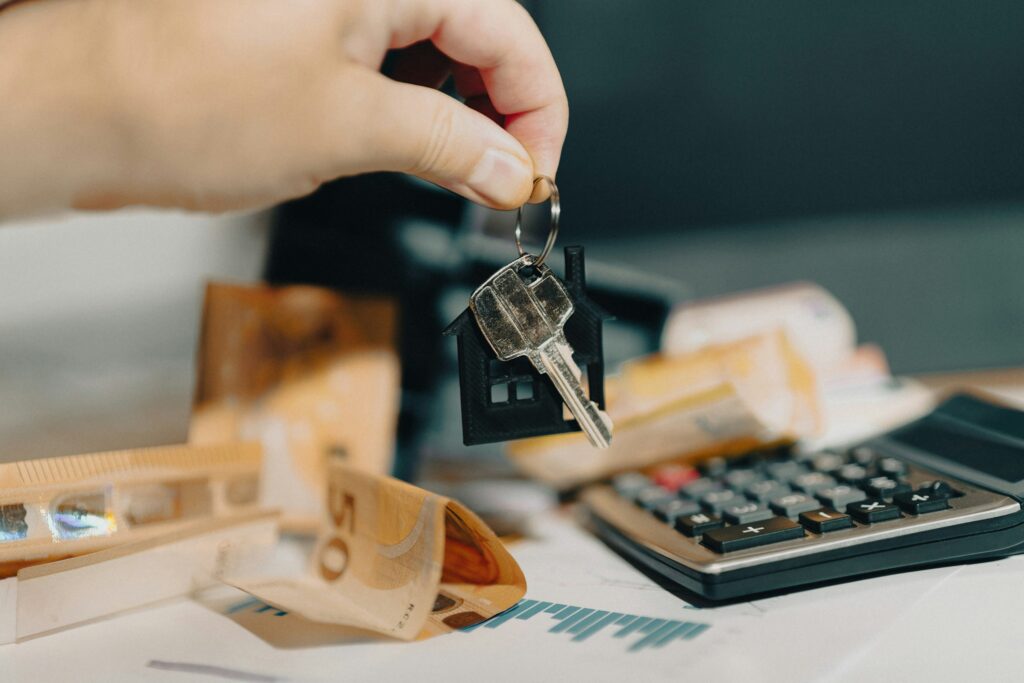
The rent-versus-buy debate often gets reduced to a simple claim — that renting is “throwing money away” while buying always builds wealth. The real math is more nuanced, and depends heavily on how long you’ll stay, your local market, and costs that go well beyond the mortgage payment itself.
Why “Rent Is Wasted Money” Is an Oversimplification
Renting provides housing, which is not nothing — comparing it to “wasted money” implies the alternative is free, which it isn’t. Owning comes with its own ongoing costs beyond the mortgage that don’t build equity at all: property taxes, insurance, maintenance, and interest payments (especially in the early years of a loan, when most of each payment goes toward interest rather than principal). A fair comparison needs to account for the full cost of both options, not just the headline monthly payment.
The Full Cost of Renting
| Cost | Notes |
|---|---|
| Monthly rent | The primary cost, often fixed for the lease term |
| Renters insurance | Relatively low cost, covers personal property |
| Security deposit | Typically refundable, but ties up cash temporarily |
| Utilities | Varies by lease terms and unit efficiency |
The Full Cost of Buying
| Cost | Notes |
|---|---|
| Mortgage principal and interest | Principal builds equity; interest does not |
| Property taxes | Varies significantly by location, often increases over time |
| Homeowners insurance | Generally higher than renters insurance |
| Private mortgage insurance (if under 20% down) | Added cost until reaching sufficient equity |
| Maintenance and repairs | Often estimated around 1-2% of home value annually |
| HOA fees (if applicable) | Common in condos and some planned communities |
| Closing costs (one-time) | Typically 2-5% of purchase price |
The Time Horizon Is the Most Important Variable
Buying a home involves significant upfront transaction costs (closing costs, moving expenses) that need time to be offset by the benefits of ownership, primarily equity building and any price appreciation. If you sell relatively soon after buying, these upfront costs — plus the selling costs when you eventually move — can outweigh the benefits, sometimes resulting in a net loss compared to having rented for that same period.
Opportunity Cost: What Else Could the Down Payment Do?
A down payment, often tens of thousands of dollars, represents money that could alternatively be invested elsewhere. A complete comparison considers what that money might have earned if invested instead of used as a down payment, weighed against the value of home equity built and any appreciation in the home’s value over the same period. This is a genuinely complex calculation that depends on assumptions about both future home price appreciation and future investment returns, neither of which can be predicted with certainty.
Renting’s Flexibility Has Real Value
Beyond pure dollar comparisons, renting offers flexibility that’s harder to quantify but still genuinely valuable: the ability to relocate for a job opportunity, downsize or upsize as life circumstances change, and avoid the financial exposure of a major repair (like a roof or HVAC system) landing unexpectedly. For people whose life circumstances are likely to change in the next few years, this flexibility can outweigh the wealth-building benefits of ownership, even if the pure numbers might favor buying.
Buying’s Wealth-Building Has Real Value Too
Equally, the case for buying isn’t purely emotional — building equity through a mortgage payment is a structured way to build wealth that some people find easier to maintain than disciplined independent investing. Fixed-rate mortgages also provide a degree of payment stability that rent, which can increase at lease renewal, doesn’t guarantee.
Using a Rent vs. Buy Calculator
Because the math depends on so many local and personal variables — your specific mortgage rate, local property tax rate, expected rent increases, and how long you’ll stay — a detailed rent-versus-buy calculator that lets you input your specific numbers will give a far more accurate picture than any generic comparison. Several reputable financial websites offer free calculators for this exact purpose.
A Balanced Way to Think About the Decision
- If you’re likely to move within a few years, renting often makes more financial sense due to the upfront and transaction costs of buying.
- If you’re staying put for the foreseeable future and have a stable income and adequate savings beyond just the down payment, buying may build more long-term wealth.
- If your local market has unusually high home prices relative to rents, the math may favor renting even with a longer time horizon — this varies significantly by city and is worth researching specifically for your area.
- If owning would stretch your budget thin with little room for maintenance costs or emergencies, renting may be the more financially stable choice regardless of time horizon.
Frequently Asked Questions
Is it true that home prices always go up over time?
Historically, home prices have generally trended upward over long periods in most markets, but this isn’t guaranteed, and prices can decline for extended periods, as seen in various regional and national downturns. Treating appreciation as a certainty rather than a historical tendency leads to overly optimistic comparisons.
How much should I budget for home maintenance each year?
A commonly cited estimate is 1-2% of the home’s value annually, though this varies significantly based on the home’s age, condition, and local labor costs. Older homes and those with major systems (roof, HVAC) nearing the end of their typical lifespan often require more.
Does renting really build no equity at all?
Correct — rent payments do not build any ownership stake in the property, which is the core financial tradeoff against buying. The benefit on the renting side is the flexibility and lower upfront commitment, not equity building.
Is it better to buy a starter home now or wait and save for a bigger down payment?
This depends on your specific market, how quickly home prices are rising relative to your savings rate, and your personal timeline and goals. There’s no universal answer, and running the numbers for your specific situation — including how a larger down payment would reduce PMI and monthly payments — is more useful than a generic rule.
The Bottom Line
Renting versus buying isn’t a question with a single correct answer — it’s a calculation that depends heavily on how long you’ll stay, your local market, and costs well beyond the headline monthly payment on either side. Running your own specific numbers through a detailed calculator, rather than relying on broad generalizations about either option, gives a far more accurate picture of which choice actually makes sense for your situation.
This article is for general educational purposes only and does not constitute personalized financial advice. Consult a qualified financial or real estate professional for guidance specific to your situation.