Buy Nothing New for a Month: A Practical Spending Freeze Guide
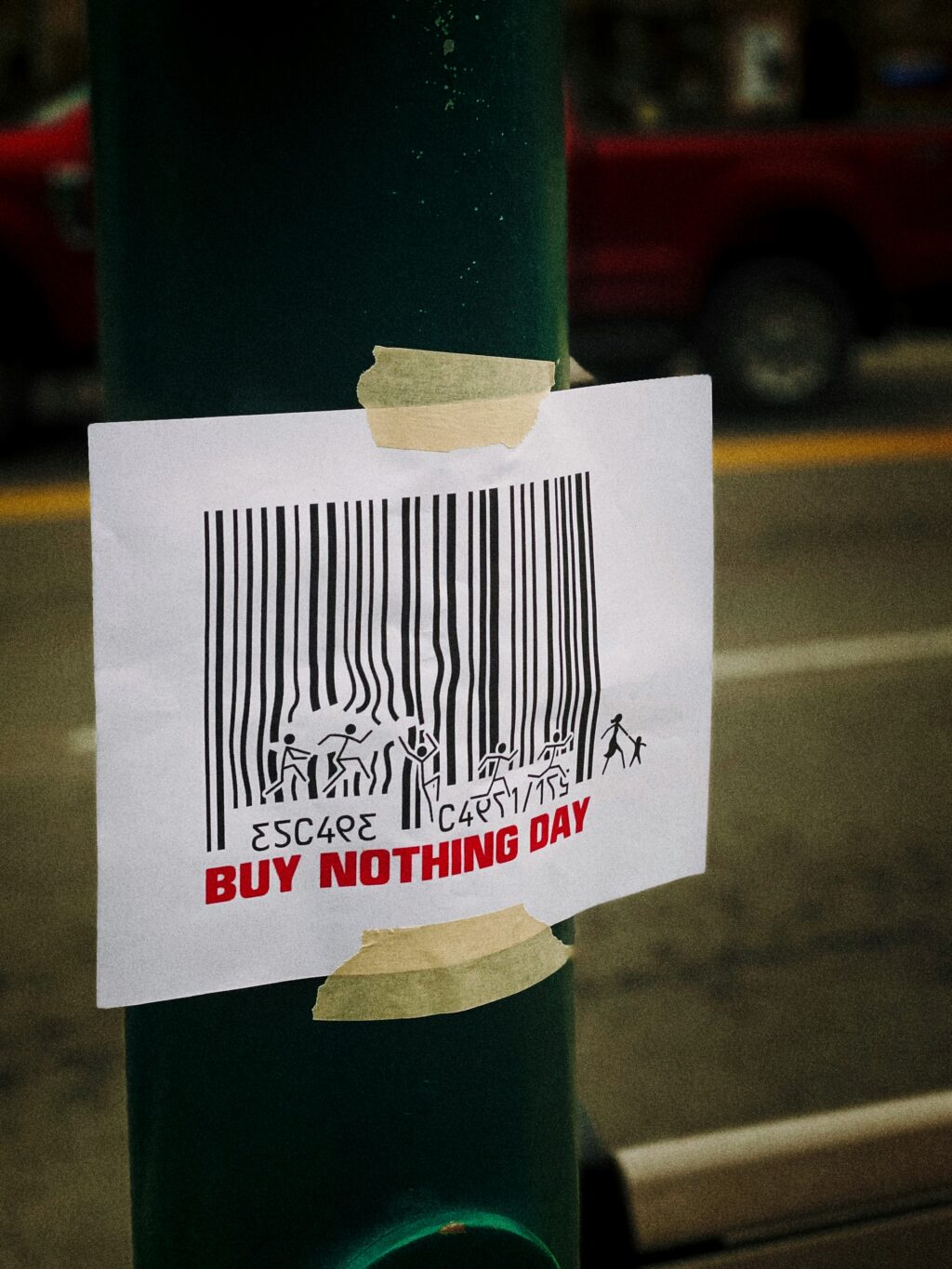
A spending freeze — committing to buy nothing non-essential for a set period — has become a popular reset tool, and for good reason. It’s less about permanent deprivation and more about interrupting autopilot spending long enough to see your habits clearly again.
What a Spending Freeze Actually Is
A spending freeze, sometimes called a “no-spend month” or “no-buy challenge,” means committing to purchase nothing outside of pre-defined essentials for a set period, typically 30 days. It’s not about never spending money again — it’s a temporary, deliberate pause designed to reveal how much of your regular spending is driven by habit, boredom, or impulse rather than genuine need.
Step 1: Define Your Essentials Clearly Before You Start
The freeze only works if the rules are clear from day one — vague boundaries lead to constant rationalizing mid-month. Before starting, write down exactly what counts as essential and what doesn’t. A typical breakdown:
| Usually Essential (Allowed) | Usually Non-Essential (Paused) |
|---|---|
| Rent/mortgage, utilities | Dining out, takeout |
| Groceries (basic, planned) | New clothing |
| Medication, healthcare | Entertainment subscriptions you can pause |
| Gas for essential transportation | Home decor, gadgets |
| Minimum debt payments | Impulse online purchases |
Your specific list may differ — the point isn’t to match this exact table, but to have your own clear, written list before temptation shows up.
Step 2: Choose a Realistic Duration
While 30 days is the most commonly cited length, it’s not a requirement. If a full month feels overwhelming, a one or two-week freeze still produces meaningful insight and is more likely to be completed successfully than an ambitious 30-day commitment that gets abandoned by day six.
Step 3: Remove Friction-Reducing Temptations in Advance
Modern shopping is designed to minimize the friction between wanting something and buying it — saved payment information, one-click checkout, and personalized ads all work against a spending freeze. A few preparatory steps help:
- Unsubscribe from retailer marketing emails, or set up a filter to route them away from your main inbox during the freeze
- Remove shopping apps from your phone’s home screen, or temporarily delete them
- Avoid browsing retail websites “just to look,” since browsing itself often triggers desire even without immediate purchase intent
- Unfollow or mute social media accounts that frequently promote products, if that’s a common trigger for you
Step 4: Plan for Predictable Friction Points
Certain moments during a freeze are more likely to test your resolve than others — a friend’s birthday, a planned social event, or simply a bad day where shopping has previously served as a comfort habit. Thinking through these in advance, and deciding how you’ll handle them before they happen, makes it much easier to stick with the freeze when the moment actually arrives.
Step 5: Track What You Notice, Not Just What You Saved
The financial savings from a spending freeze are real, but the more valuable outcome for many people is the awareness it builds. Keep a simple daily note of moments you wanted to buy something and didn’t — what triggered the urge, how you felt, what you did instead. Patterns often emerge quickly: maybe boredom in the evening consistently triggers online browsing, or stress after a hard workday leads to food delivery orders.
What Happens at the End of the Freeze
A spending freeze isn’t meant to end with an immediate return to old habits. Use the awareness built during the freeze to make intentional decisions about what to bring back and what to leave paused. Some people find that a subscription or habit they paused during the freeze wasn’t actually missed, which is useful information for whether to resume it at all.
Common Reasons Spending Freezes Fail
- Rules that are too vague. “I’ll try not to buy unnecessary things” leaves too much room for in-the-moment rationalizing compared to a specific written list.
- No plan for triggers. Stress, boredom, and social pressure are the most common reasons freezes break down — having a plan for these moments in advance matters more than willpower alone.
- Treating one slip as total failure. A single purchase that breaks the freeze doesn’t erase the days of progress before it — continuing is almost always more valuable than restarting from scratch out of frustration.
- Doing it entirely alone with no accountability. Telling a friend or family member about the freeze, or finding an online community doing the same challenge, can provide helpful accountability and support.
Frequently Asked Questions
Can I still spend money on experiences, like a friend’s dinner, during a freeze?
This depends entirely on the rules you set for yourself. Some people allow modest social spending to avoid total isolation during the freeze; others pause this too. There’s no universally correct answer — clarity and consistency in your own rules matter more than which specific exceptions you choose.
What if an essential, unexpected expense comes up during the freeze?
Genuine essentials and emergencies are not what a spending freeze is designed to restrict. If your car needs an urgent repair to get to work, that’s a need, not a freeze violation — the freeze targets discretionary, non-essential spending specifically.
Is a spending freeze the same thing as a strict budget?
They’re related but different. A budget is an ongoing system for planning spending across all categories indefinitely. A spending freeze is a temporary, more restrictive reset, often used specifically to interrupt habits or jump-start a savings goal, before returning to a more sustainable ongoing budget.
How often should I do a spending freeze?
There’s no fixed rule, but many people find value in doing a shorter freeze periodically — perhaps once or twice a year — rather than relying on a single freeze to permanently fix spending habits. Each round tends to reveal slightly different patterns as your life and spending triggers evolve.
The Bottom Line
A spending freeze isn’t a punishment or a test of willpower for its own sake — it’s a structured way to see your spending habits clearly by temporarily removing them. The money saved is real and valuable, but the self-awareness it builds about why and when you spend often turns out to be the part that creates lasting change.
This article is for general educational purposes only and does not constitute personalized financial advice. Consult a qualified financial professional for guidance specific to your situation.