Debt Settlement vs. Bankruptcy: Understanding Your Options
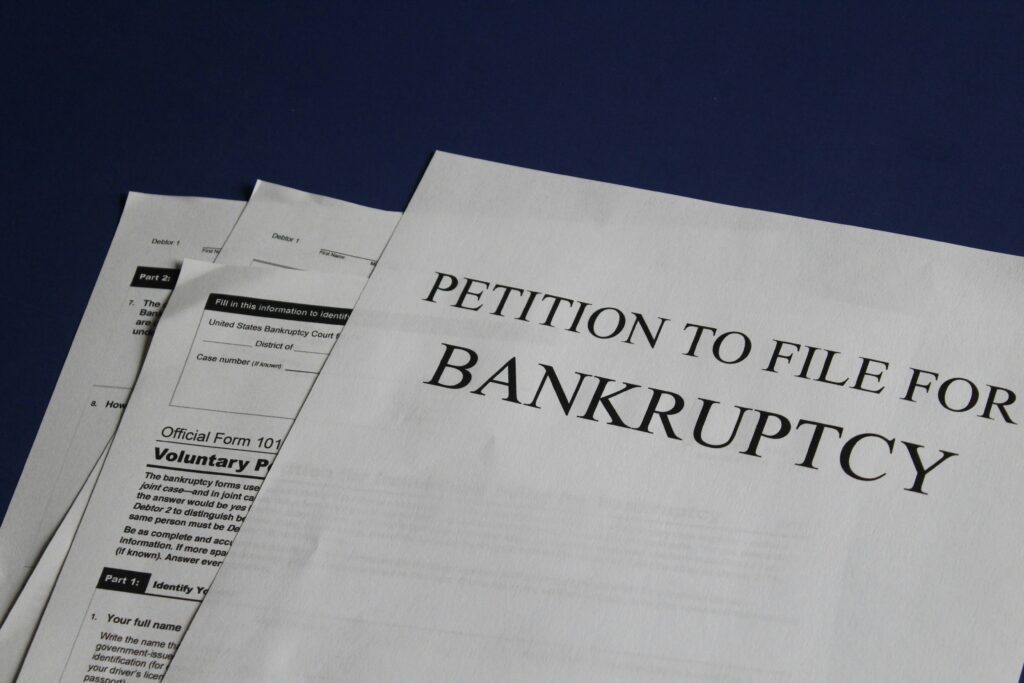
When debt has reached a point where regular repayment no longer feels realistic, debt settlement and bankruptcy are often the two options people hear about most — but they work very differently, and confusing the two can lead to a decision that doesn’t actually fit your situation.
What Debt Settlement Actually Involves
Debt settlement means negotiating with creditors to accept a lump-sum payment that’s less than the full amount owed, in exchange for considering the debt resolved. This can be done independently by the debtor directly, or through a debt settlement company that negotiates on your behalf, typically for a fee based on the settled amount.
What Bankruptcy Actually Involves
Bankruptcy is a formal legal process, filed through federal court, that provides specific legal protections and a structured path to discharge or reorganize debt. In the United States, individuals most commonly file under Chapter 7 (liquidation, discharging most unsecured debt) or Chapter 13 (reorganization, repaying debt through a structured plan over several years), each with different eligibility requirements and outcomes.
Key Differences at a Glance
| Factor | Debt Settlement | Bankruptcy |
|---|---|---|
| Legal process | Private negotiation, no court involvement | Formal federal court process |
| Creditor participation | Voluntary — creditors can refuse to settle | Legally binding once approved by the court |
| Credit impact | Significant negative impact, settled accounts noted on report | Significant negative impact, bankruptcy filing noted on report |
| Time on credit report | Typically around 7 years from original delinquency | Chapter 7 typically around 10 years; Chapter 13 around 7 years |
| Tax implications | Forgiven debt may be considered taxable income | Generally not considered taxable income |
| Protection from collection actions | No automatic legal protection during negotiation | Automatic stay halts most collection actions immediately upon filing |
The Debt Settlement Process in Practice
- Identifying debts to target for settlement, typically unsecured debt like credit cards
- Either negotiating directly with creditors or working with a settlement company that negotiates on your behalf
- Often involves stopping regular payments to build up a lump sum for settlement offers, which can significantly damage credit during this period
- Reaching a negotiated agreement for less than the full balance, paid as a lump sum or structured payment
- Obtaining written confirmation that the debt is considered settled in full
The Bankruptcy Process in Practice
Bankruptcy requires filing a formal petition with federal bankruptcy court, generally after completing a required credit counseling course. Chapter 7 typically involves liquidating non-exempt assets (though many filers have few or no non-exempt assets, depending on their state’s exemption laws) to repay creditors, with most remaining unsecured debt then discharged. Chapter 13 instead establishes a court-approved repayment plan, typically over three to five years, after which remaining eligible debt may be discharged. Eligibility for each chapter depends on specific income and debt criteria, and the rules are detailed enough that professional legal guidance is strongly advisable.
When Debt Settlement Might Be More Appropriate
- You have some lump-sum funds available (savings, a windfall) to offer creditors, even if less than the full balance
- Your debt is relatively limited in scope and primarily unsecured
- You want to avoid the formal court process and public record associated with bankruptcy
- You’re willing to accept the risk that creditors may not agree to settle, and that the process could take significant time
When Bankruptcy Might Be More Appropriate
- Your debt is significant relative to your income and assets, making repayment through any negotiated settlement unrealistic
- You’re facing active collection lawsuits, wage garnishment, or other legal action that bankruptcy’s automatic stay could halt
- You want a legally binding, structured resolution rather than relying on voluntary creditor cooperation
- Your debt includes a mix of secured and unsecured obligations that a structured Chapter 13 plan could help reorganize
The Role of Nonprofit Credit Counseling
Before pursuing either debt settlement or bankruptcy, consulting a nonprofit credit counseling agency (distinct from for-profit debt settlement companies) can provide an unbiased assessment of your situation and may reveal additional options, such as a debt management plan, that hadn’t been considered. These agencies, often accredited through organizations like the National Foundation for Credit Counseling, typically offer this initial assessment at low or no cost.
Why Professional Guidance Matters for This Decision
Both debt settlement and bankruptcy carry significant, lasting consequences, and the right choice depends heavily on the specific types and amounts of debt involved, your state’s specific exemption laws (for bankruptcy), and your overall financial picture. A bankruptcy attorney can assess eligibility and likely outcomes for your specific situation, while a nonprofit credit counselor can help evaluate whether settlement, a debt management plan, or bankruptcy is the most appropriate starting point.
Frequently Asked Questions
Will debt settlement or bankruptcy ruin my credit forever?
Neither is permanent — both have a defined reporting period after which the negative mark typically falls off your credit report, and credit can be rebuilt over time through responsible use of credit afterward. The impact is significant but not permanent.
Can all types of debt be discharged through bankruptcy?
No — certain debts, such as most federal student loans, child support, and some tax obligations, are generally not dischargeable through standard bankruptcy proceedings, though there are narrow exceptions in some cases. This is an important detail to clarify with a bankruptcy attorney based on your specific debts.
Is it true that debt settlement companies often charge high fees without guaranteeing results?
This is a legitimate concern with some for-profit debt settlement companies, since fees are sometimes charged regardless of whether a successful settlement is ultimately reached, and creditors are never obligated to negotiate. Researching any specific company thoroughly, including checking for complaints with consumer protection agencies, is important before engaging their services.
Should I try debt settlement before considering bankruptcy?
This depends on your specific situation, and there’s no universal order that applies to everyone. A consultation with a nonprofit credit counselor or bankruptcy attorney, who can assess your complete financial picture, is more reliable than assuming one option should always be attempted before the other.
The Bottom Line
Debt settlement and bankruptcy solve different problems in different ways — one is a voluntary, private negotiation with no guaranteed outcome, while the other is a formal legal process with binding protections and structured rules. Given how significant and lasting the consequences of either path can be, consulting a nonprofit credit counselor or bankruptcy attorney before deciding is a critical step, not an optional one.
This article is for general educational purposes only and does not constitute personalized financial or legal advice. Consult a qualified bankruptcy attorney or nonprofit credit counseling agency for guidance specific to your situation.