Cutting Grocery Bills Without Couponing
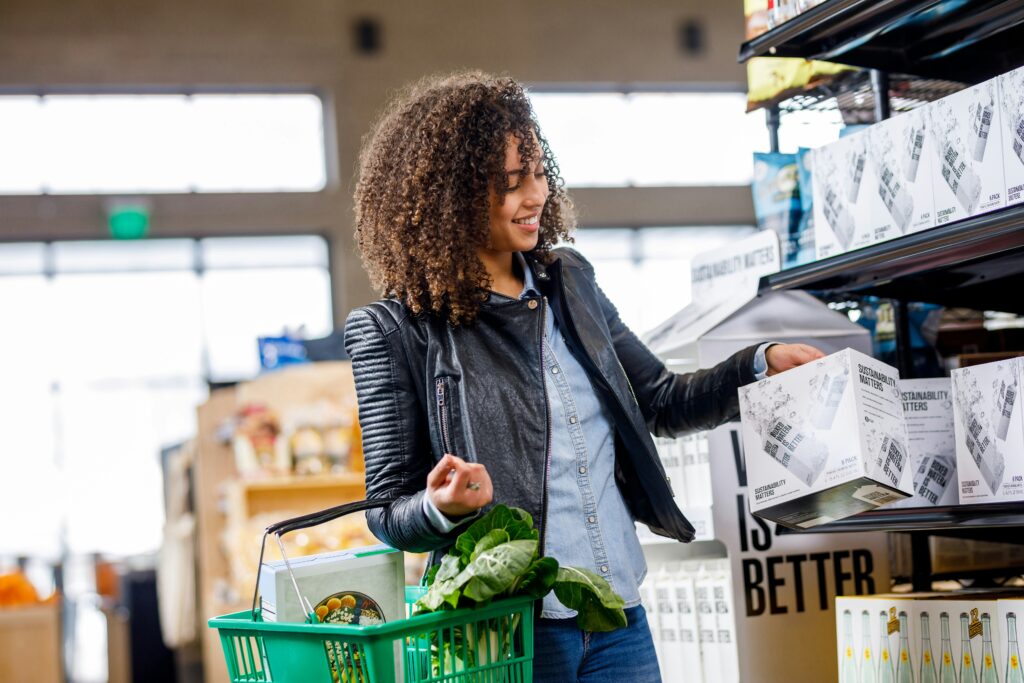
Coupon-clipping has a place, but for most people, it’s not where the biggest grocery savings actually come from. The habits and decisions you make before you even walk into the store tend to matter far more than which coupons you remembered to bring.
Start With a Real Inventory
Before building a grocery list, take two minutes to actually look at what’s already in your fridge, freezer, and pantry. A huge amount of grocery overspending comes from buying duplicates of things you already have, simply because you didn’t check first. Make this a standing habit before every shopping trip, not just an occasional good idea.
Plan Meals Around What’s Already on Sale
Instead of deciding what to cook and then shopping for those specific ingredients, flip the process: check your store’s weekly sale flyer or app first, then plan meals around what’s discounted. This single habit shift can meaningfully lower your grocery total without requiring you to give up variety in your meals.
Shop Less Often, Not More Carefully
Every trip to the grocery store is an opportunity for impulse purchases, even for disciplined shoppers. Reducing your shopping frequency from several times a week to once a week (with one quick backup trip if needed) significantly reduces the number of chances for unplanned spending to creep in.
Understand Unit Price, Not Sticker Price
The bigger package or “family size” option isn’t automatically cheaper per ounce or per item. Most stores display a small unit price (cost per ounce, per pound, etc.) on the shelf tag below the regular price — train yourself to glance at that number instead of the large price tag, especially when comparing different brands or sizes.
Buy Store Brands for Staples
Store-brand (private label) products are often made in the same facilities as name brands, with similar or identical ingredients, at a noticeably lower price. This gap tends to be largest for staple items like flour, canned goods, frozen vegetables, spices, and dairy — and smallest for items where brand taste differences are more noticeable, like cereal or snacks.
| Category | Store Brand Savings Potential |
|---|---|
| Canned goods, baking staples | High — often 20-40% cheaper |
| Dairy, eggs | High — minimal quality difference |
| Frozen vegetables | High — often identical product |
| Snacks, cereal | Moderate — taste varies more |
Reduce Meat as the Default Centerpiece
Meat is typically one of the most expensive parts of a grocery bill. You don’t need to go vegetarian to save here — simply building one or two meals a week around beans, lentils, eggs, or tofu instead of meat can meaningfully lower your weekly total, especially as meat prices have risen in recent years.
Use Cashback Apps Passively
Several free cashback and rebate apps let you scan your grocery receipt after shopping (no coupon clipping required) and automatically credit you for eligible purchases. This requires far less active effort than traditional couponing, since you’re not pre-planning around specific coupons — you’re just checking after the fact whether anything you bought qualifies for cashback.
Watch for “Shrinkflation”
In recent years, many products have quietly reduced their package size while keeping the price the same — sometimes called “shrinkflation.” A box of crackers or bag of chips that used to weigh 16 ounces might now weigh 13, at the same price. This is exactly where checking unit price (not just the sticker price) protects you, since the per-ounce cost reveals what’s actually happened.
Freeze and Batch Cook Strategically
Buying perishable items like bread, meat, or produce in larger quantities is only a savings win if you actually use it before it spoils. Building a simple habit of freezing half of what you buy — bread, meat portioned into meal-sized bags, even some pre-chopped vegetables — turns bulk savings into real savings instead of food waste.
Don’t Shop Hungry or Without a List
This is an old piece of advice, but it remains genuinely effective. Studies on grocery spending consistently find that shopping without a list and while hungry leads to more impulse purchases, particularly of snack foods and prepared items at a higher per-item cost.
Putting It All Together: A Simple Weekly Routine
- Check your pantry/fridge before making a list
- Browse your store’s weekly sale flyer for 5 minutes
- Build your meal plan around what’s discounted
- Make a list and stick close to it in-store
- Choose store brand for staples, name brand only where taste matters to you
- Scan your receipt in a cashback app afterward
What About Warehouse Clubs and Bulk Buying?
Warehouse club memberships (like Costco or Sam’s Club) can produce real savings, but only under specific conditions. The math only works in your favor if you actually use the bulk quantity before it expires or you get tired of eating the same thing repeatedly. For a household of one or two people, bulk perishables often go to waste before they’re finished, erasing the savings entirely. Bulk buying tends to make the most sense for:
- Non-perishables you use constantly (paper towels, toilet paper, canned goods)
- Items you can freeze in portions (meat, bread)
- Larger households where consumption naturally matches the bulk size
If you’re considering a membership specifically for grocery savings, do a rough calculation first: would your typical monthly savings exceed the membership’s annual fee divided by twelve? If not, the membership may not be worth it purely for groceries, even if other perks make it worthwhile.
Seasonal Produce Shopping
Produce prices fluctuate significantly based on what’s in season regionally. Berries, for example, are often dramatically cheaper in peak summer months than in winter, when they’re shipped from much farther away. Building a rough mental map of what’s typically cheap in each season — and leaning your meal planning toward those items — can meaningfully reduce produce costs without requiring you to give up fresh fruits and vegetables.
Frequently Asked Questions
Do generic store-brand products taste noticeably different from name brands?
For many staple categories — canned vegetables, flour, sugar, frozen produce — the difference is minimal to undetectable, since these items are often manufactured in the same facilities as name brands. For more flavor-driven categories like cereal, snacks, or condiments, the difference is more likely to be noticeable, so it’s reasonable to be more selective there.
Are grocery delivery and pickup services worth using for saving money?
Pickup and delivery can actually reduce impulse spending for some people, since you’re less exposed to in-store displays and end-cap promotions designed to encourage extra purchases. The tradeoff is delivery fees and sometimes higher per-item pricing, so the net effect depends on how much impulse buying you’d otherwise do in person.
How much can a typical household realistically save using these methods?
This varies widely based on starting habits, but households that previously shopped without a list, ignored unit pricing, and bought entirely name-brand staples often see a 15-25% reduction in their grocery total after consistently applying these habits for a couple of months.
Is it worth driving to multiple stores to get the best price on each item?
For most people, the time and gas cost of visiting several stores outweighs the savings from chasing the absolute lowest price on every individual item. A more efficient approach is picking one primary store with generally competitive prices and only making a special trip elsewhere for a genuinely significant deal on something you buy often.
The Bottom Line
Lowering your grocery bill doesn’t require hours of coupon organizing — it requires a handful of small habit shifts repeated every week. Planning around sales, watching unit prices, and reducing shopping frequency typically save more money with far less time investment than traditional couponing ever did.
This article is for general educational purposes only and does not constitute personalized financial advice. Consult a qualified financial professional for guidance specific to your situation.